Aeration & Overseeding in Export, PA
Core aeration relieves compacted soil. Overseeding fills in thin spots and introduces improved grass varieties. Together, they're the single most impactful thing you can do for a Export lawn each year.
Core Aeration & Overseeding for Export Lawns
WestmorelandCounty soils compact naturally over time — from foot traffic, mowing equipment, rain, and freeze-thaw cycles. Compacted soil restricts root growth, limits water infiltration, and creates thin, stressed turf that's vulnerable to weeds, drought, and disease. Core aeration breaks through that compaction layer.
Export lawns sit on decent clay-loam soil but still benefit from annual aeration — especially properties shaded by the heavy tree canopy in the borough. Aeration improves light and air circulation at the soil level, and overseeding with shade-tolerant fescue blends thickens turf under trees.
When combined with overseeding, aeration creates the perfect conditions for new grass seed germination. Seed falls into aeration holes where it has direct soil contact, consistent moisture, and protection from birds and wind. It's why aeration + overseeding together consistently delivers better results than either service alone.
Our Aeration & Overseeding Process
A proven 4-step process that delivers visible results within 2–3 weeks:
Core Aeration
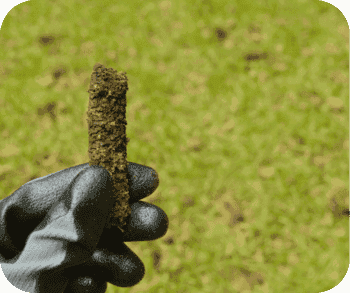
A commercial-grade aerator pulls 2–3" soil cores across your entire Export lawn on tight passes. This opens channels for air, water, and nutrients to reach the root zone directly.
Premium Overseeding
We broadcast a premium Tall Turf-Type Fescue (TTTF) blend selected for Westmoreland County's climate — drought-tolerant, disease-resistant, and fine-bladed for a dense, uniform lawn.
Starter Fertilizer
A phosphorus-rich starter fertilizer is applied to accelerate new seedling root development. This gives seed the nutrients it needs to establish quickly in the aeration holes.
Post-Service Guidance
You'll receive specific watering instructions for your Export property. Proper watering during the 2–3 week germination window is the single biggest factor in overseeding success.
Best Timing for Export Lawns
In Westmoreland County, the ideal aeration and overseeding window is late August through late September. This gives seed the warm soil temperatures needed for germination while providing the cool fall weather that favors establishment of cool-season grasses.
Before mid-August: summer heat and drought stress new seedlings.
Late Aug – Late Sep: soil is warm, air is cooling, rains return.
After mid-October: not enough time to establish before frost.
What Aeration & Overseeding Does for Export Lawns
Relieves Compaction
Core aeration breaks through compacted clay-loam soils with moderate drainage in the valley floor soils common in Export, restoring proper air and water movement to the root zone.
Thickens Thin Turf
Overseeding introduces thousands of new grass plants per 1,000 sq ft, filling bare spots and thin areas without tearing up the existing lawn.
Improves Drainage
Aeration channels allow water to infiltrate instead of running off — reducing puddles and soggy spots on Export properties after rain.
Strengthens Root Systems
Roots grow deeper and stronger in aerated soil. Deeper roots mean better drought tolerance, heat resistance, and overall lawn resilience.
Reduces Thatch
Aeration introduces soil microbes to the thatch layer, accelerating natural decomposition and preventing thatch buildup that suffocates grass.
Improves Fertilizer Uptake
Nutrients from fertilizer applications penetrate deeper into aerated soil instead of sitting on the surface or washing away with rain.
Complete Lawn Care in Export
Aeration & overseeding is most effective as part of a complete lawn care program:
Lawn Fertilization
Year-round fertility program to feed your newly thickened Export lawn.
Lawn CareLawn Mowing
Consistent mowing at the right height supports new grass establishment.
PreparationSeasonal Cleanups
Fall cleanup before overseeding ensures seed reaches the soil.
DiagnosticsSoil Testing
Know exactly what your soil needs before investing in lawn care.
EnhancementCompost Top Dressing
Compost after aeration adds organic matter directly to the root zone.
RenovationLawn Seeding
Full lawn renovation for Export properties that need more than overseeding.
Export Details
Westmoreland County, PA
~850
15632
clay-loam soils with moderate drainage in the valley floor
Aeration Near Export
We also provide aeration & overseeding in these nearby communities:
Give Your Export Lawn a Reset
Fall aeration slots book fast in Export. Reserve your spot early for the late August – September window.